
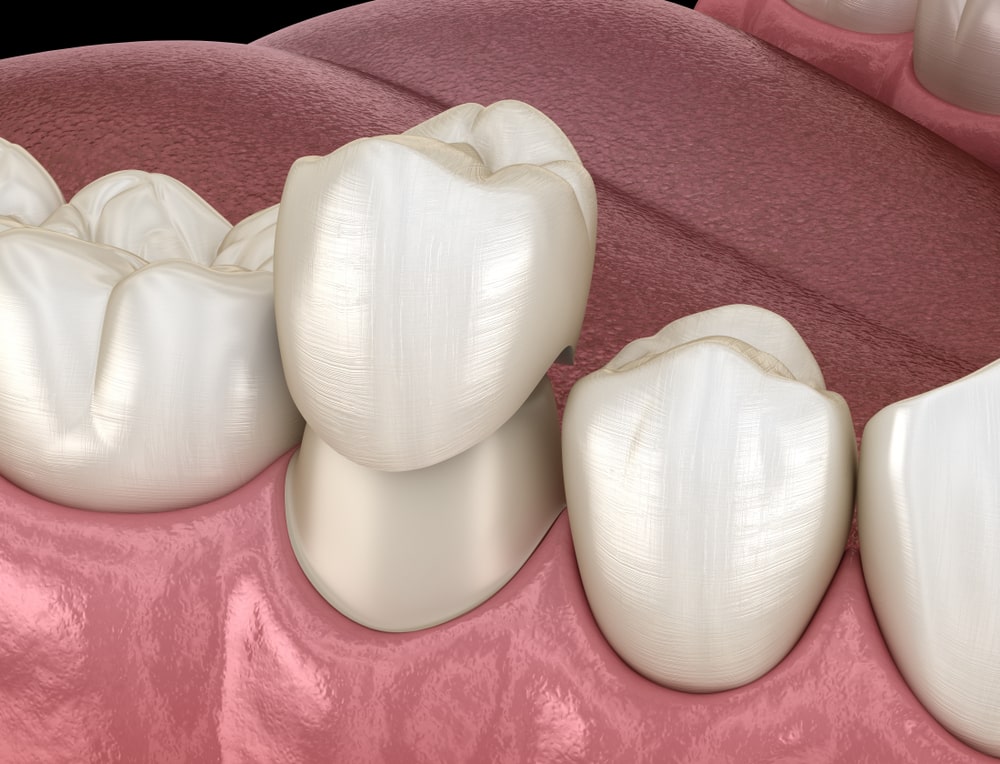
Dental crowns are a common and effective solution for restoring damaged or weakened teeth, helping you maintain both function and aesthetics. Whether you’ve received a crown due to decay, a root canal, or cosmetic reasons, it’s natural to wonder how long they last and when they might need replacement.
After all, your smile plays a big role in your confidence and everyday comfort. Understanding the lifespan of a dental crown and recognizing the signs that indicate replacement is necessary can help you maintain optimal oral health.
At Airdrie 8th Street Dental, our team is here to guide you through every step and ensure your dental crowns remain in excellent condition for years to come.
When Dental Crowns are Recommended
- You have a tooth that requires a filling that will exceed the natural tooth structure.
- Your teeth have extensive damage, tooth decay and/or fracture lines.
- Your teeth are discoloured and compromise their aesthetic appearance.
- Your teeth have undergone Root Canal Therapy. After root canal therapy, teeth become brittle and are more susceptible to fracture. Root-canaled teeth need to be protected with dental crowns.
When Should The Dental Crown Be Replaced?
Let’s take a look at some of the most common signs that your dental crowns need replacing.
1. Pain or swelling around the tooth
If your dental crown is causing pain or swelling near the tooth, book an appointment with your Airdrie dental clinic right away. The increase in sensitivity may indicate an outdated, broken, or improperly placed crown. In some cases, a crown may only need adjustment or repair rather than a full replacement.
2. The gum line is receding.
Bacteria are more likely to gather on the surface of gums around a dental crown than around a natural tooth, which can lead to gum complications. Good oral hygiene helps prevent a receding gum line; however, your gums may still be impacted if the crown is improperly placed.
Call your dentist if you notice increased sensitivity around the gums or if your tooth looks longer, which are symptoms of a receding gum line.
3. The dental crown is old
The average lifespan of an Airdrie dental crown is 10-15 years with proper care, depending on the material it’s made of. If the crown is more than 10 years old, your dentist will closely monitor its condition and may recommend replacing it before any issues arise.
4. Wear and tear
A worn crown will likely need to be replaced. If a dental crown wears down before its expected life span or you need to replace it, your dentist will identify any underlying issues that may be causing the damage.
Bruxism (teeth grinding), jaw clenching, or poor oral hygiene are common causes of premature crown wear and tear. Dental crown replacement can treat these conditions.
How to Extend the Life of Your Dental Crown
To maximize the lifespan of your dental crown, follow these essential care tips:
- Maintain good oral hygiene by brushing twice a day and flossing daily.
- Visit your dentist regularly for check-ups and professional cleanings.
- Avoid chewing hard foods like ice, hard candy, and nuts, as they can damage the crown.
- Wear a nightguard if you grind your teeth (bruxism) to protect the crown from excessive wear.
- Limit stain-causing foods and drinks, such as coffee, tea, and red wine, to keep porcelain crowns looking natural.
These simple steps can help your dental crowns last longer and prevent premature replacements or additional restorations.
Schedule a Crown Check-Up With Airdrie 8th Street Dental
If you suspect your dental crown may need replacement or want to ensure its longevity, visit a trusted dentist for a professional evaluation.
At Airdrie 8th Street Dental, our experienced team provides high-quality dental crowns to restore and enhance your smile. Schedule an appointment today to maintain your oral health and keep your crowns in top condition!
Frequently Asked Questions About Dental Crowns
How long do dental crowns last before needing replacement?
Dental crowns are designed to be durable and can often last 10–15 years or longer, depending on the material used, oral hygiene habits, and everyday wear. Regular dental exams help monitor the condition of your crown and catch signs of wear before bigger issues develop.
What happens to crowns after 10 years?
Over time, crowns may experience normal wear from chewing, grinding, or changes in the surrounding tooth structure. Some crowns continue functioning well beyond 10 years, while others may develop cracks, loosen, or no longer fit properly. Routine checkups help determine whether replacement is necessary.
Can a tooth decay underneath a dental crown?
Yes — while the crown itself cannot decay, the natural tooth underneath still can. Bacteria may collect around the edge of the crown, especially if there are gaps or if oral hygiene becomes difficult. This is one reason regular cleanings and exams remain important even after receiving a crown.
How many times can a dental crown be replaced?
There isn’t a strict limit on how many times a crown can be replaced. The deciding factor is usually the health and strength of the remaining natural tooth. Our team carefully evaluates your tooth structure before recommending crown replacement or discussing other treatment options.
Does replacing an old dental crown hurt?
Most patients are surprised to find that replacing an older crown is often straightforward and comfortable. Our dentist will numb the area as needed and explain each step of the process to help you feel at ease throughout treatment.
What signs suggest it may be time to replace a dental crown?
Persistent sensitivity, pain when biting, visible cracks, looseness, gum irritation around the crown, or changes in how your bite feels may all be signs that your crown should be evaluated. If something doesn’t feel right, it’s worth having it checked early before a small issue becomes a bigger one!
